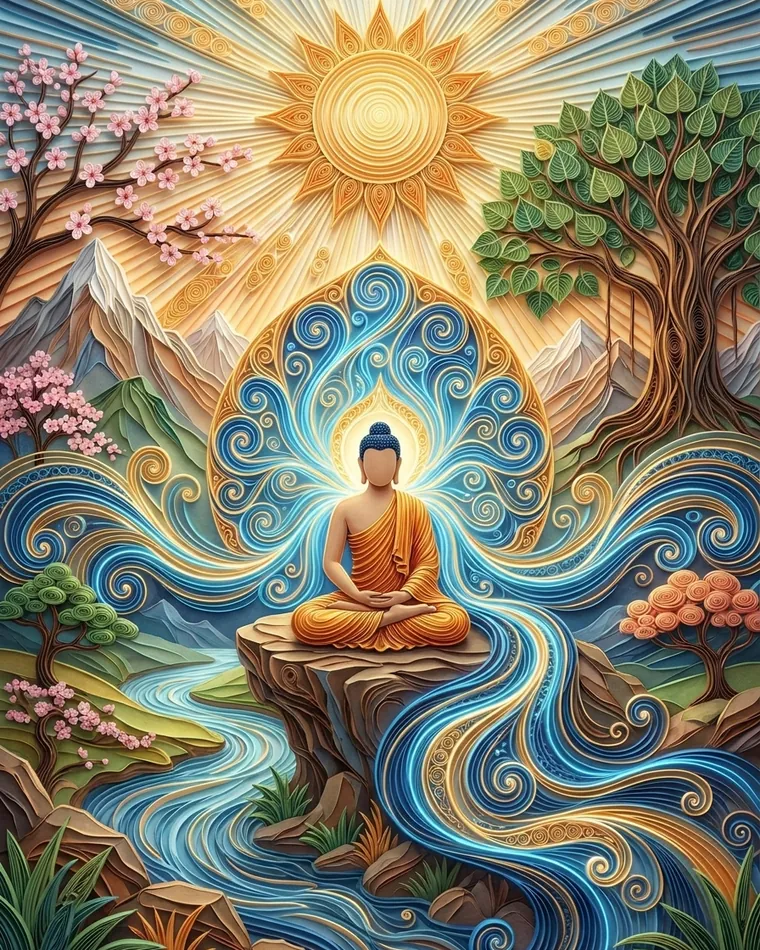
Buddhism & qigong: what MeditaDream changes
Curious about Buddhism but unsure where to start? Meet its great figures through guided journeys. Sudhana’s Journey — The Teachers Along the Path opens the way, The Eleven Faces of Avalokiteśvara explores compassion, and Mañjuśrī’s Sword brings clarity to repetitive thoughts. Tārā and the Eight Great Dangers then works symbolically with fear and courage.
On the body side, qigong starts with your hands. Warming the Hands draws attention to the sensations in your palms, The Still Tree trains a stable, relaxed stance, and The Dance of Qi — Qigong in Motion links breath and slow gestures. Later, The Small Circulation follows a traditional qigong path of attention. No class or equipment needed.
For a zen meditation mood, sit in The Zen Garden or Monastery at Sunrise, or contemplate the place of the Buddha’s awakening in Beneath the Bodhi Tree. Illustrated lessons explain posture and breathing, ambient sounds set the scene, and your journals keep what you discover.
Buddhism & qigong: the sessions in the app
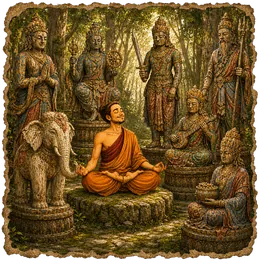 Buddhist Meditations8 sessions for this goal · See the category →
 Sudhana’s Journey — The Teachers Along the Path30 min · intermediateEvokes learning and openness to different teachings.
 The Eleven Faces of Avalokiteśvara22 min · intermediateExplores compassion and discernment.
 Mañjuśrī’s Sword20 min · intermediateBuilds clarity in the face of repetitive thoughts.
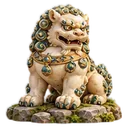 Mañjuśrī’s Lion20 min · intermediateExplores courage in the face of fear.
 Kṣitigarbha’s Light in the Dark Realms21 min · intermediateInvites compassion in difficult moments.
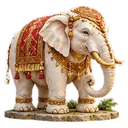 Samantabhadra and the White Elephant — The Ten Great Vows20 min · intermediateExplores the meaning of ethical commitment.
 Maitreya’s Garden — Meeting the Person You Are Becoming20 min · intermediateReflects on the path of transformation.
 Tārā and the Eight Great Dangers24 min · intermediateWorks symbolically with fear and courage.
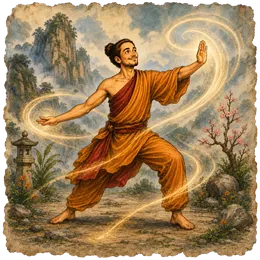 Sensations & Qigong4 sessions for this goal · See the category →
 Warming the Hands20 min · intermediateIntroduces attention to the sensations in your palms.
 The Small Circulation22 min · intermediateFollows a traditional qigong path of attention.
 The Still Tree23 min · intermediateTrains a stable, relaxed posture.
 The Dance of Qi — Qigong in Motion25 min · intermediateLinks breath and slow movements.

Buddhism & qigong: the features that help
 Learning library
Read illustrated lessons on posture, breathing, attention and learning step by step.
 Themed catalog
Browse 19 categories and several levels, from express sessions to advanced journeys.
Learn more → Immersive worlds
Choose from 17 story-rich settings that spark imagination and escape.
Learn more → Ambient sounds
Pair your session with nature or music ambiences (waves, forest, mountain stream, flute…), at the volume you choose.
Learn more → Personal journals
Record dreams, gratitude, emotions, signs and spiritual experiences in organized journals.
Learn more → Meditation creator
Write a session made just for you; your phone can read it aloud, even offline.
Learn more →
Buddhism & qigong: the immersive worlds
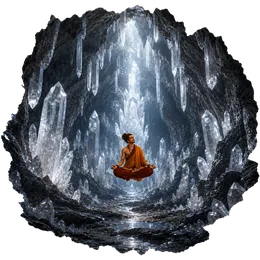
 The Zen Garden
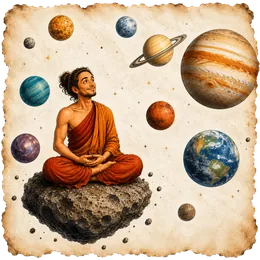
 Monastery at Sunrise
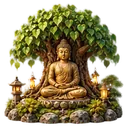
 The Tree of Consciousness
Buddhism & qigong: how to use the app in 4 steps
Read the Learning library’s lessons on posture and breathing, then try Warming the Hands, a gentle first step into qigong that focuses on your palms.
Pick one bodhisattva a week: The Eleven Faces of Avalokiteśvara for compassion, Mañjuśrī’s Sword for clarity, Kṣitigarbha’s Light in the Dark Realms for difficult times.
Practice The Still Tree or The Dance of Qi — Qigong in Motion two or three times a week, to bring breath, posture and slow movement together.
Between sessions, visit The Zen Garden or Monastery at Sunrise, and write down the teachings that touch you in your Spiritual Experiences journal.
Frequently asked questions
How do I use MeditaDream to discover Buddhism and qigong?
Alternate between the two. Some days, follow a Buddhist meditation such as Sudhana’s Journey — The Teachers Along the Path; other days, practice qigong with Warming the Hands, then The Still Tree. The Learning library explains posture and breathing, and immersive worlds like The Zen Garden set the scene.
What’s the difference between zen meditation, vipassana and qigong?
Zen meditation, rooted in Chan and Japanese Buddhism, centers on sitting and simply being present. Vipassana, from the Theravada tradition, trains you to watch sensations change, moment by moment. Qigong is a Chinese practice that joins breath, posture and slow movement. In MeditaDream, you can practice qigong with four guided sessions and explore Buddhist wisdom through eight guided meditations.
Do I need to be Buddhist to practice?
Not at all. These meditations use Buddhist figures and Taoist landscapes as symbols and sources of wisdom, and they ask for no religious commitment. You can approach them with curiosity, the way you’d visit a temple while traveling. Qigong, too, is open to everyone: you only need a little space and a few quiet minutes.
Read more
From the blog on this topic
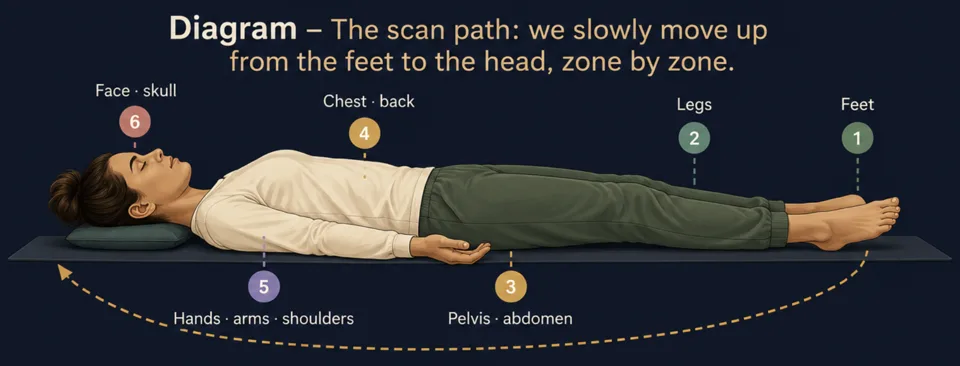 Published October 26, 2026Meditation techniques: the main types, explained one by oneMeditation techniques explained one by one: body scan, walking meditation, loving-kindness, RAIN, visualization… each with its steps and diagram.Read the article →
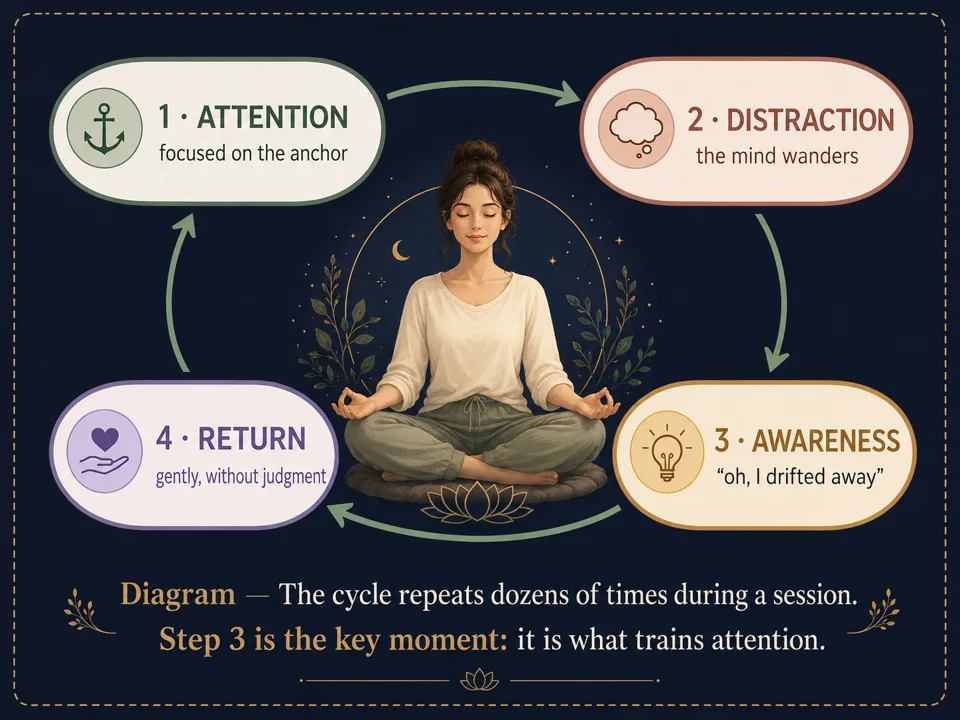 Published September 28, 2026Mindfulness in simple terms: what it is, how to practice itWhat is mindfulness in simple terms? A one-sentence definition, four stubborn misunderstandings and the core move that meditation actually trains.Read the article →
Practice for free
Every session is in the MeditaDream app: free, no subscription, no ads, no account, and it works offline.
